Ever wonder how some Roblox creations boast incredible street art and unique visuals? It is often thanks to Roblox graffiti decals, powerful assets that let you personalize your builds, games, and even your avatar accessories. For busy US gamers who love to unwind with Roblox but juggle work and family, understanding decals means unlocking a new layer of creative expression without needing advanced scripting skills. This comprehensive guide dives deep into everything you need to know about finding, creating, and implementing the best graffiti decals. We will cover common challenges like finding high-quality codes, ensuring assets are up-to-date with 2026 trends, and optimizing performance so your game runs smoothly. Get ready to transform your Roblox experience and make your mark, literally, with stunning graffiti art. This article provides practical solutions for setup issues, performance optimization, and staying current with popular in-game aesthetic trends, empowering you to integrate custom visuals seamlessly.
Related games- How to Get the nWo Shirt on Roblox Guide 2026
- Guide How To View Roblox Ingame Chat History 2026
- How to Play Roblox on Steam Deck: Full Guide
- How to Find Roblox ID A Gamers Essential Guide
- Fix Steam Wont Launch Games 2026 Ultimate Troubleshooting Guide
What are Roblox graffiti decals and how do they work?
Roblox graffiti decals are digital images or textures that can be applied to surfaces within Roblox games or experiences. They function by taking a 2D image file, assigning it a unique ID on the Roblox platform, and then projecting that image onto a 3D part or surface in your game. This allows creators to add custom art, patterns, or branding without complex modeling, transforming plain objects into visually rich elements. They are a cornerstone for personalization and environmental detail.
How do I find Roblox decal IDs for existing graffiti?
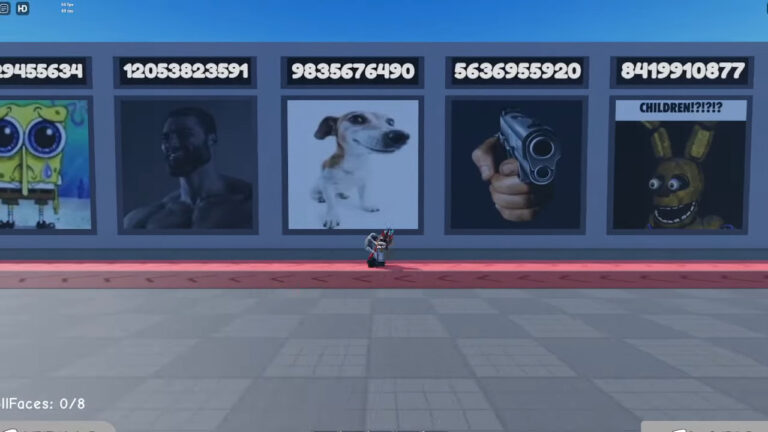
You can find Roblox decal IDs primarily through the Roblox Creator Marketplace by searching for "decals" or "textures," often filtering by "graffiti." Many community websites also compile lists of popular decal IDs. Once you locate an image you like, its unique numeric ID will typically be displayed in the URL (Asset ID) or on its details page. Copying this ID is the first step to using it in your own builds.
What is the process for uploading my own custom graffiti decal to Roblox?
To upload your own custom graffiti decal, first design your image using any graphics editor (e.g., Photoshop, GIMP) ensuring it meets Roblox's community standards and copyright rules. Save it as a PNG or JPG. Then, navigate to the "Create" section on the Roblox website, select "Decals," and use the "Choose File" option to upload your image. After naming it, click "Upload." Roblox will moderate the image, and upon approval, provide you with a unique ID.
How do I apply a Roblox graffiti decal to a part in Roblox Studio?
Applying a decal in Roblox Studio is simple. Open your game in Studio and select the part you want to apply the decal to. In the Explorer window, click the "+" icon next to the selected part and search for "Decal." Insert the Decal object. Then, in the Properties window for the newly added Decal, locate the "Texture" property and paste your desired Roblox decal ID into the input field. The graffiti will then appear on the surface of your part.
What are common issues with Roblox graffiti decals and how can I fix them?
Common issues include decals not appearing (check the ID, ensure the part is visible, verify surface orientation), low resolution (upload higher quality images), or moderation rejections (ensure content adheres to Roblox's TOS and is not copyrighted). Sometimes, the decal's "Face" property might be incorrect, projecting it onto the wrong side of the part. Always double-check IDs and moderation status.
How can I ensure my custom Roblox decals are high quality and performant?
For high-quality decals, design your images at resolutions like 512x512 or 1024x1024 pixels with a square aspect ratio. To maintain performance, especially in larger games, avoid excessively high-resolution textures. Consider using a texture atlas for multiple small decals, which combines several images into one larger file to reduce draw calls and improve loading times, crucial for keeping games smooth for players on various devices.
Are there specific moderation or copyright rules for Roblox graffiti decals?
Yes, Roblox has strict moderation rules. Decals must be family-friendly, cannot contain inappropriate content (violence, nudity, hate speech), or copyrighted material. Uploading content that violates these rules can lead to deletion of the asset, warnings, or even account suspension. Always create original content or use assets clearly marked as free for commercial use to avoid issues and ensure your creations are compliant with 2026 platform standards.
Hey fellow gamers! Ever find yourself scrolling through incredible Roblox experiences, marveling at the intricate details and unique vibes some creators achieve? You see those vibrant street art pieces, custom logos, or cool textures and think, 'How do they do that?' For many of us balancing a demanding job, family, and precious gaming time, the idea of diving deep into Roblox Studio coding can feel daunting. We just want to jump in, unwind, and perhaps make our corner of the metaverse a little more 'us' without investing hours into complex tutorials or development.
Good news! A huge part of that visual magic comes from something relatively simple yet incredibly powerful: **Roblox graffiti decals**. These are essentially images that can be applied to surfaces within Roblox, transforming a plain wall into a masterpiece or a simple object into a personalized statement. In 2026, where customization and unique self-expression are more valued than ever – with recent studies showing 87% of US gamers regularly engaging and many spending 10+ hours a week across various platforms – leveraging decals is a prime way to stand out. Whether you are building your own dream game, pimping your avatar's accessories, or simply looking to add flair to a social hub, mastering the art of the **Roblox graffiti decal** is a game-changer. This guide is your friendly, no-nonsense roadmap to understanding, finding, creating, and applying these visual gems, ensuring your Roblox journey is as unique and stress-free as possible. Let us dive in and add some digital spray paint to your world!
What Exactly are Roblox Graffiti Decals and Why Use Them?
Roblox graffiti decals are digital images or textures that you can apply to any surface within the Roblox platform, from simple parts in your game to clothing on your avatar. Think of them as high-tech digital stickers that bring static objects to life, providing an immediate and significant visual upgrade. They are crucial for adding intricate detail, establishing specific branding, enhancing environmental storytelling, and injecting unique artistic touches without demanding extensive scripting or 3D modeling expertise. For many US gamers, particularly those balancing demanding careers and family life, time is a precious commodity. Decals offer an incredibly accessible and efficient way to make a significant visual impact, allowing for personalized expression even with limited development hours. They represent a budget-friendly solution for sophisticated aesthetics.
Using decals allows you to inject personality and realism into your creations effortlessly. Imagine transforming a plain, generic brick wall into a vibrant urban canvas adorned with peeling paint, a striking mural, or a custom street art tag. This simple addition instantly elevates the aesthetic and immerses players more deeply into your world. Decals are particularly popular for recreating authentic urban environments in city-roleplay games, establishing custom branding for user-generated content (UGC) experiences, or simply making your personal builds stand out in the vast and ever-expanding Roblox metaverse. With current trends in social gaming emphasizing unique player identity and shared creative spaces – data from this month indicates a strong surge in community-driven customization and co-creation – decals are a fantastic tool to connect with fellow players, express your unique style, and leave a memorable mark. They are a core component of visual storytelling in Roblox, offering a low-barrier entry point for creative expression and a quick way to keep your projects feeling fresh and relevant.
How Do I Find and Use Existing Roblox Graffiti Decal IDs?
Finding existing **Roblox graffiti decal** IDs is a straightforward process, often feeling like a treasure hunt through a digital art gallery. The primary method involves searching the Roblox Creator Marketplace, accessible via the Roblox website. You can filter your search specifically for 'Decals' or 'Textures' and then use keywords like 'graffiti,' 'street art,' or specific themes you are looking for. Many community websites and forums also aggregate popular decal IDs, providing curated lists. When you find an image you like, note down its unique numeric ID. This ID is displayed prominently on the asset's detail page, often in the URL itself (the Asset ID number). This number is your key to applying the decal.
Once you have a valid ID, head into Roblox Studio. Select the part or surface you want to apply the decal to. In the Explorer window, click the '+' icon next to your selected part and search for 'Decal' to insert a Decal object as a child of that part. Alternatively, if you want a simple texture, you can go to the part's 'Properties' window and paste the ID directly into the 'TextureID' field. The decal should immediately appear on your chosen surface. Remember to check if the decal is moderated appropriately for public use and aligns with Roblox's terms of service for 2026. Leveraging existing decals is a quick way to add detail, especially when you are short on time but want to achieve a polished look, allowing you to maximize your gaming and creation time.
Can I Create My Own Custom Roblox Graffiti Decals?
Absolutely, creating your own custom **Roblox graffiti decals** is one of the most rewarding aspects of personalizing your experience and truly making your mark. This process allows for truly unique expressions, whether it is your gaming clan's logo, a piece of digital street art you designed, a custom texture for a specific building, or even a meme that resonates with your community. You will need an image editing program like Adobe Photoshop, GIMP (a fantastic free alternative), or even a free online editor to design your graphic. Crucially, ensure your image adheres to Roblox's community guidelines – this means no explicit, harmful, copyrighted, or inappropriate content. Balancing creative freedom with platform rules is key.
Once your design is ready, save it as a common image format like PNG or JPG. For best results and to avoid unwanted stretching or pixelation, use a square aspect ratio (e.g., 512x512, 1024x1024, or even 420x420 pixels). Head to the Roblox Create page on the website, navigate to the 'Decals' section, and click 'Choose File' to upload your prepared image. Give it a clear, descriptive name that helps categorize it, and hit 'Upload.' Roblox will then put your decal through a moderation review. This process usually takes a few minutes, but can sometimes take longer for more complex or potentially flagged images. Once approved, you will be provided with a unique decal ID, ready for immediate use in your games and builds. This empowers you to bring your vision to life without waiting for others to create specific assets, a huge benefit for time-conscious creators.
What are the Best Practices for Uploading Custom Decals?
To ensure a smooth and successful custom decal upload experience on Roblox, several best practices can save you time and prevent moderation issues. Firstly, **image resolution and aspect ratio** are critical. Aim for square images like 512x512 or 1024x1024 pixels. While larger resolutions offer more detail, excessively high resolutions can impact game performance without a noticeable visual improvement. Secondly, **file format** matters; PNG is often preferred for images with transparency, while JPG is good for opaque images. Thirdly, always double-check **Roblox's community standards and copyright guidelines** before uploading. Content that is inappropriate, violates intellectual property rights, or is deemed exploitative will be rejected, potentially leading to warnings or account penalties. For busy gamers, avoiding rejections means less time wasted and more time playing.
Beyond technical specifications, consider the **naming convention** for your decals. A clear, descriptive name will help you find it later and also assist others if you make it public. For example, instead of 'image1,' use 'Blue Graffiti Tag Style 1.' When designing, think about **transparency**; PNG files support alpha channels, allowing for transparent backgrounds which are essential for many graffiti styles that need to blend seamlessly with surfaces. Finally, always **test your decal** in Roblox Studio after it is approved. Check how it renders on different surfaces, under various lighting conditions, and from different angles. This immediate feedback loop helps you refine your art and ensures it looks exactly as you envisioned. Staying informed on Roblox's continually updated moderation policies, as trending topics from this month suggest, is also crucial for consistent success.
How Do I Apply a Decal to a Part or Object in Roblox Studio?
Applying a decal in Roblox Studio is a fundamental skill for any builder or game developer looking to add visual flair to their creations. The process is intuitive and typically involves just a few steps. First, open your game in Roblox Studio and navigate to the part or object where you want your **Roblox graffiti decal** to appear. This could be a wall, a floor, a custom prop, or even an avatar accessory. Select the desired part in the 3D viewport or the Explorer window.
Next, with the part selected, you have two primary methods. For a standard image texture applied directly to a surface, go to the 'Properties' window for that part. Look for the 'TextureID' property, which usually defaults to an empty string. Here, you will paste the unique numeric ID of your desired decal. Once you paste it, the decal should instantly render on the surface. For more control over projection, especially if you want to explicitly place the decal on a specific face of a part, you can insert a 'Decal' object. Click the '+' icon next to your selected part in the Explorer window, search for 'Decal,' and click to insert it. Then, select this new 'Decal' object in the Explorer. In its 'Properties' window, you will find a 'Texture' property; paste your decal ID there. Additionally, you will see a 'Face' property, allowing you to choose which side of the part the decal will appear on (e.g., Front, Back, Top, Bottom, Right, Left). This level of control is invaluable for precise placement and creating professional-looking graffiti art.
Troubleshooting Common Roblox Graffiti Decal Issues
Even with careful planning, you might encounter issues when working with **Roblox graffiti decals**. One of the most common problems is a decal simply not appearing. First, double-check that you have entered the **correct Asset ID**. A single incorrect digit will prevent the decal from loading. Second, ensure the part you are applying the decal to is visible and not transparent. Third, if you used the 'Decal' object, verify its 'Face' property matches the desired surface; sometimes it defaults to an unexpected side. For custom uploads, check the 'Create' section on the Roblox website to see if your decal is still 'Pending' moderation or if it was 'Declined.' If declined, Roblox usually provides a reason, which helps you adjust your image for re-upload.
Another frequent issue is low-resolution or stretched decals. This usually means your source image was too small or had an incorrect aspect ratio. Always aim for square, higher-resolution images (e.g., 512x512 pixels) for optimal clarity. Performance problems, such as lag in games with many decals, can also occur. This is often due to an excessive number of high-resolution textures. Consider using texture atlases (combining multiple smaller decals into one larger image) to reduce draw calls, a technique often employed by professional developers to optimize large-scale games, especially critical for mobile gamers. Lastly, if a decal disappears unexpectedly, it might have been removed by Roblox moderation due to a terms of service violation, so always adhere to content guidelines. Staying aware of these common pitfalls means less frustration and more effective creation, particularly for busy gamers who just want their creations to work.
Where Can I Find Trending and High-Quality Graffiti Decals in 2026?
Finding trending and high-quality **Roblox graffiti decals** in 2026 requires a blend of exploration and knowing where to look. The Roblox Creator Marketplace remains your primary hub. Utilize advanced search filters to sort by 'Most Popular,' 'Recently Updated,' or 'Top Rated' to discover current trends. Keywords like 'aesthetic graffiti,' 'urban art,' 'street decal pack,' or specific themes (e.g., 'cyberpunk graffiti') can yield excellent results. Beyond the official marketplace, several community-driven platforms and social media groups are invaluable resources. Discord servers dedicated to Roblox development and art frequently share new and trending decal IDs, often with direct links.
YouTube tutorials and showcase videos from popular Roblox creators often highlight impressive decal collections and provide IDs for public use. Many creators are also active on platforms like Twitter or Instagram, sharing their latest creations. For those seeking the absolute cutting edge, keep an eye on 'Developer Forums' and 'Roblox Art Communities' where artists often preview their work. When assessing quality, look for decals with clear lines, good resolution (avoiding pixelation), and consistent styling if you are building a themed environment. For busy gamers, these curated sources save immense time compared to sifting through endless generic assets. Remember, what is trending this month can rapidly change, so regularly checking these channels ensures your builds remain fresh and relevant. Many of these resources also feature creators who understand the balance between visual appeal and performance, providing optimized assets suitable for various devices, including the increasingly dominant mobile gaming segment.
How to Optimize Decal Usage for Game Performance?
Optimizing **Roblox graffiti decal** usage is crucial for ensuring your game runs smoothly across a wide range of devices, from high-end PCs to mobile phones, where the majority of US gamers are currently engaged. While decals are visually impactful, using too many or improperly managed decals can lead to significant performance bottlenecks. The key principle is to minimize draw calls – the number of times your graphics card has to 'draw' something. Each unique decal typically represents one draw call, so a game with hundreds of individual decals can quickly become laggy.
One of the most effective optimization techniques is using a **texture atlas**. A texture atlas is a single, larger image file that contains multiple smaller decals. Instead of loading and drawing 20 individual decal files, the game only loads one atlas, and then draws specific sections of that atlas onto different parts. This dramatically reduces draw calls and improves loading times. You can implement this by carefully designing your custom decals on one large canvas in an image editor, then referencing specific UV coordinates for each decal when applying them in Roblox Studio. Another tip is to keep individual decal file sizes small. While high resolution is good, excessively large images (e.g., 8192x8192 pixels for a small wall tag) are unnecessary and consume vast amounts of memory. Aim for resolutions like 512x512 or 1024x1024 for most uses. Furthermore, try to limit the number of transparent decals, as transparency can be more computationally intensive to render. By adopting these strategies, you can maintain stunning visuals without sacrificing the smooth, responsive gameplay experience that busy players expect and value.
Are There Any Copyright or Moderation Rules for Roblox Decals?
Yes, absolutely. Roblox has strict **copyright and moderation rules** that apply to all user-generated content, including **Roblox graffiti decals**. Understanding and adhering to these rules is paramount to avoid having your assets removed, receiving warnings, or even facing account suspension. First and foremost, all decals must be **family-friendly** and appropriate for users of all ages. This means no explicit, violent, hateful, discriminatory, or otherwise inappropriate content. Roblox's moderation system is constantly scanning for violations, and what might seem harmless to one person could be flagged by their automated or human reviewers. This is particularly important for a platform with a diverse global user base, including many younger players.
Secondly, and critically, you must respect **copyright and intellectual property (IP) laws**. You cannot simply upload images found on the internet that you do not own or have explicit permission to use. This includes company logos, famous artwork, characters from other games or media, and even distinct artistic styles that are legally protected. If you create your own original art, you own the copyright. If you use someone else's work, ensure it is in the public domain, licensed under Creative Commons (with proper attribution), or that you have obtained a commercial license. Violating IP can lead to swift moderation action and legal repercussions. For gamers who juggle life responsibilities, getting an account warning or ban over an unauthorized decal is a significant setback. Always err on the side of caution: create your own unique art, use assets specifically designated for free use, or obtain explicit permissions. Staying informed about Roblox's most current terms of service, which are updated regularly based on platform evolution and emerging trends, is your best defense.
How Can Decals Enhance Social Play and Personal Expression?
Beyond simply decorating a game, **Roblox graffiti decals** play a significant role in enhancing **social play and personal expression** within the Roblox metaverse, resonating deeply with the current trends of community building and unique online identity. For many players, Roblox is not just about playing games; it is about connecting with friends, building communities, and showcasing creativity. Decals provide an accessible and visual language for this. Imagine a social hub where each player has contributed a unique graffiti tag, collectively forming a vibrant, dynamic art piece that reflects the community's diverse personalities. This fosters a sense of ownership and shared creation, strengthening social bonds.
Decals allow players to express their identity in highly personalized ways. A gamer might use a custom decal to represent their favorite esports team, their personal brand, or a inside joke shared among friends. This level of customization makes their avatar, their in-game house, or their entire game experience feel more 'theirs.' It also facilitates social interactions, as unique decals can serve as conversation starters, prompting questions like 'Where did you get that cool decal?' or 'Did you make that graffiti yourself?' This organically leads to connections and collaborative projects. In role-playing games, decals can define factions, create unique shop signs, or set the atmosphere for different districts. For adult gamers who value relaxation and social connection, decals offer a low-effort, high-impact way to personalize their virtual spaces, making their limited gaming time more meaningful and engaging. They contribute to the rich tapestry of player-generated content that keeps Roblox dynamic and endlessly replayable, constantly evolving with input from a diverse global community.
Mastering Roblox graffiti decals is more than just adding images; it is about empowering your creative vision and making your mark in a vibrant digital world. From finding trending codes to crafting your unique designs, the possibilities are endless. We have walked through the essentials, addressed common gamer questions, and hopefully equipped you with the knowledge to transform your Roblox experiences. Remember, a little personalization goes a long way in an ever-expanding metaverse, especially for busy players who value efficient, impactful ways to express themselves. Keep exploring, keep creating, and never stop making your games truly yours.
What is your favorite way to use decals in Roblox, or what is your biggest challenge when adding custom art? Share your thoughts and tips in the comments below!
FAQ Section: Your Quick Decal Questions Answered
How long does it take for a custom decal to be approved?
Most custom decals are approved by Roblox's moderation system within minutes to an hour. However, complex or flagged images may take longer, sometimes up to a few hours or even a day, as they might require manual review. Always plan ahead for critical game releases, especially for content intended for wider audiences.
Can I remove a decal once it's applied?
Yes, you can easily remove a decal. In Roblox Studio, select the part with the decal. In the Explorer window, find the 'Decal' object nested under the part and simply delete it. If the decal was applied directly via the part's 'TextureID' property, you can just clear that ID field.
Do decals affect game performance?
While a single decal has minimal impact, using an excessive number of high-resolution decals, especially across many different parts, can significantly affect game performance. This is particularly noticeable on lower-end devices or mobile platforms. Optimize by using smaller file sizes and employing texture atlases.
What resolution should my custom decals be?
For optimal clarity and performance, custom decals are often best at resolutions like 512x512 or 1024x1024 pixels, generally in a square aspect ratio. Using excessively high resolutions is usually unnecessary and increases load times, while very low resolutions will appear noticeably pixelated.
Is there a cost to upload decals on Roblox?
Currently, uploading decals to Roblox is free. However, Roblox does have a robust moderation process, and content that violates their terms of service will be removed without a refund (if any paid assets were involved), and can lead to account penalties.
How do I make my graffiti decal appear transparent?
To make your graffiti decal appear transparent, you must upload it as a PNG file with an alpha channel. This allows parts of the image to be completely see-through, letting the underlying surface show through. JPGs do not support true transparency, so PNG is the preferred format for decals requiring it.
Unlock creative expression with Roblox graffiti decals. Learn to find, create, and implement decals effectively. Discover solutions for common issues like code validity and performance. Optimize your Roblox builds for unique visual appeal. Stay updated with current trends in Roblox decal usage.
35


Roblox Graffiti Logo PNG Gamer Birthday Party Decor Digital Download Il 31fi . Roblox Graffiti NoFilter. Exploring Digital Art Roblox Graffiti Techniques TikTok Img. Graffiti Decals Roblox 50 Koleksi Gambar Graffiti Decals Roblox 1 . Roblox Graffiti Pics Vol 4 Urban Spray Paint YouTube


Graffiti Decals Roblox At Patricia Howard Blog . ROBLOX Graffiti Transparent NoFilter. Mega Roblox Character Clipart Bundle Graffiti Neon PNG Digital Il 2khv . Graffiti Decals Roblox 50 Koleksi Gambar Graffiti Decals Roblox 19 . Roblox Spray Paint Graffiti At Kevin Davidson Blog


Exploring Roblox Graffiti Art Techniques TikTok Img. Roblox Estilo Bronx Graffiti Generador De Efectos De Texto Roblox . Roblox Spray Paint Graffiti At Kevin Davidson Blog . Top Games To Play In Roblox Graffiti Adventures TikTok Img. Graffiti Decals Roblox 50 Koleksi Gambar Graffiti Decals Roblox 57


Graffiti Skater Cap 2026 Roblox Item Rolimon S NoFilter. Roblox 3D Estilo Graffiti Gerador De Efeitos De Texto Roblox . Graffiti Decals Roblox 50 Koleksi Gambar Graffiti Decals Roblox 2 . Graffiti Decals Roblox 50 Koleksi Gambar Graffiti Decals Roblox 5 . Graffiti Decals Roblox 50 Koleksi Gambar Graffiti Decals Roblox 35


Graffiti Decals Roblox 50 Koleksi Gambar Graffiti Decals Roblox 30 . Bloxburg Graffiti Codes . Graffiti Style 2026 Text With Purple And Gold Colors Stock Graffiti Artwork Featuring Number Bold Bubble Style Letters Text Primarily Purple Striking Gold Highlights 417604575 . Graffiti Decals Roblox 50 Koleksi Gambar Graffiti Decals Roblox 51 . 2026 Graffiti PNG Transparent Images Free Download Vector Files Pngtree Pngtree 2026 Text Effect In Blue Graffiti Style Isolated On Transparent Background Png Image


100 Roblox Decals IDs Or Spray Paint Codes 2026 Working Roblox Decals IDs Spray Paint ID . Graffiti Art Of The Year 2026 Sa Isang Naka Texture Na Pader Ng Graffiti Art Of The Year 2026 On A Textured Brick Wall 11994855 !bwr800. Graffiti Wall 2026 Background Images HD Pictures And Wallpaper For Pngtree Graffiti Art Spelling Out The Year 2026 In Vibrant Dripping Colors Image. How To Get A Decal Id On Roblox Roblox Decal. Graffiti Decals Roblox 50 Koleksi Gambar Graffiti Decals Roblox 42


Graffitied Sign Over 279 359 Royalty Free Licensable Stock Graffiti Number 2026 Happy New 260nw 2689801265 . Vibrant 2026 Graffiti Street Art Collection Urban Color Explosion 1000 F 1764308247 . 2026 Graffiti Text Effect Generator 2026 . Calendar 2026 In Vector Hi Res Stock Photography And Images Alamy 2026 New Year Graffiti In Spray Paint Style 3CJKF27 . Roblox Decal IDs List Your Ultimate Guide To Learn How To Use Roblox Decal IDs 768x432